
Keywords: DZR brass, low-lead brass, dezincification resistant brass, lead-free brass faucet, plumbing materials, drinking water safety
In the evolution of faucet materials and plumbing systems, two types of brass are frequently discussed:
- DZR brass (Dezincification Resistant Brass)
- Low-lead brass (often referred to as lead-free brass)
Both are widely used in drinking water applications, and both are often assumed to solve similar problems.
But in reality, they address completely different failure mechanisms.
Understanding the difference is critical for product engineers, sourcing managers, and OEM decision-makers—especially in markets such as Europe, Australia, and North America where regulations and water conditions vary significantly.
Two Materials, Two Different Problems
The easiest way to understand the distinction is this:
- Low-lead brass → solves a health & compliance issue (lead exposure)
- DZR brass → solves a durability issue (dezincification corrosion)
They are not interchangeable solutions.
What Is Low-Lead Brass?
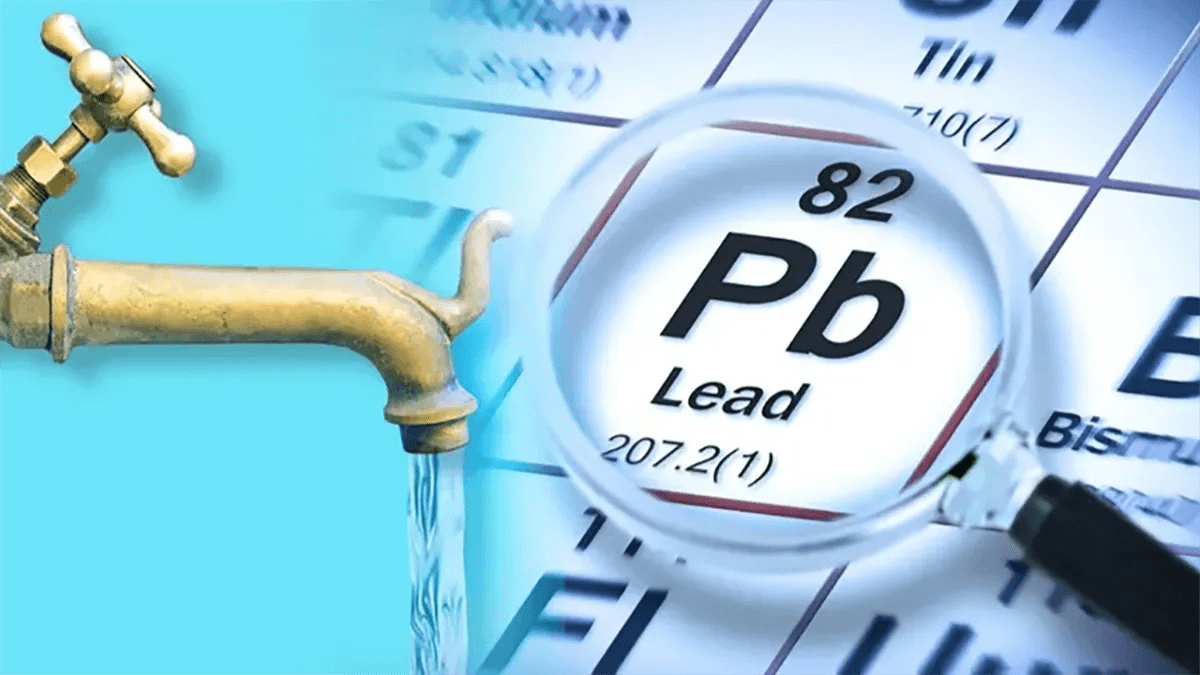
Low-lead brass is designed to meet drinking water safety regulations by reducing the amount of lead in the alloy.
Typical requirements include:
- ≤ 0.25% lead content (e.g., NSF/ANSI 372 in the U.S.)
- Compliance with 4MSI Positive List in Europe
- Passing leaching tests (NSF/ANSI 61)
Why It Matters
As discussed in Part 1, even small amounts of lead in brass can potentially contribute to lead leaching under certain conditions.
Low-lead brass minimizes this risk by:
- Reducing total lead content
- Limiting the amount of lead available at the surface
Trade-Offs
However, reducing lead also creates challenges:
- Poorer machinability
- Higher tool wear
- Increased production cost
- More complex process control
What Is DZR Brass?
DZR stands for Dezincification Resistant brass.
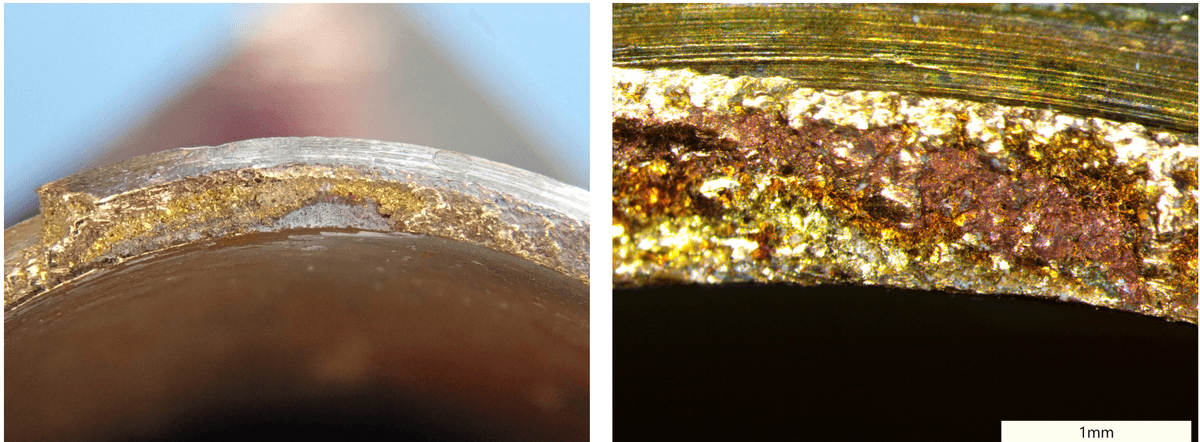
It is specifically engineered to prevent a corrosion mechanism called dezincification, where zinc is selectively removed from the alloy.
What Is Dezincification?
Dezincification is a form of corrosion that occurs when brass is exposed to certain water conditions, especially:
- High chloride levels
- Soft or aggressive water
- Elevated temperatures
During this process:
- Zinc dissolves out of the brass
- The remaining structure becomes porous and weak
- The material may appear reddish (due to copper enrichment)
- Over time, this can lead to leakage or structural failure
This is a long-term durability issue, not a short-term health issue.
How DZR Brass Works
DZR brass modifies the alloy composition and heat treatment process to resist this type of corrosion.
Typical approaches include:
- Adding small amounts of arsenic (As) or other elements
- Controlling microstructure through heat treatment
- Stabilizing the brass to prevent zinc loss
This allows DZR brass to maintain:
- Structural integrity
- Long-term corrosion resistance
- Reliability in aggressive water conditions
Key Differences at a Glance
Aspect Low-Lead Brass DZR Brass
Primary Purpose Reduce lead content Prevent dezincification
Main Risk AddressedLead leaching Corrosion & material failure
Focus Area Health & compliance Durability & lifespan
Typical Standards NSF/ANSI 372, NSF/ANSI 61, 4MSI Positive List EN 12165 / EN 1982, ISO 6509
Regional Emphasis North America, EU (compliance-driven) Australia / New Zealand
Why This Confusion Happens in the Market
In many discussions, especially outside engineering teams, these two materials are often mixed together under the umbrella of:
“Better brass” or “high-quality faucet materials”
This creates misunderstandings such as:
- Assuming low-lead brass also solves corrosion issues
- Assuming DZR brass automatically meets lead regulations
In reality:
A brass alloy can be DZR but not low-lead, and vice versa.
Why Australia & New Zealand Stand Out
Australia and New Zealand are among the few markets where dezincification resistance is not just recommended—but effectively mandatory in practice for many plumbing applications.
There are two key reasons behind this:
1. Water conditions
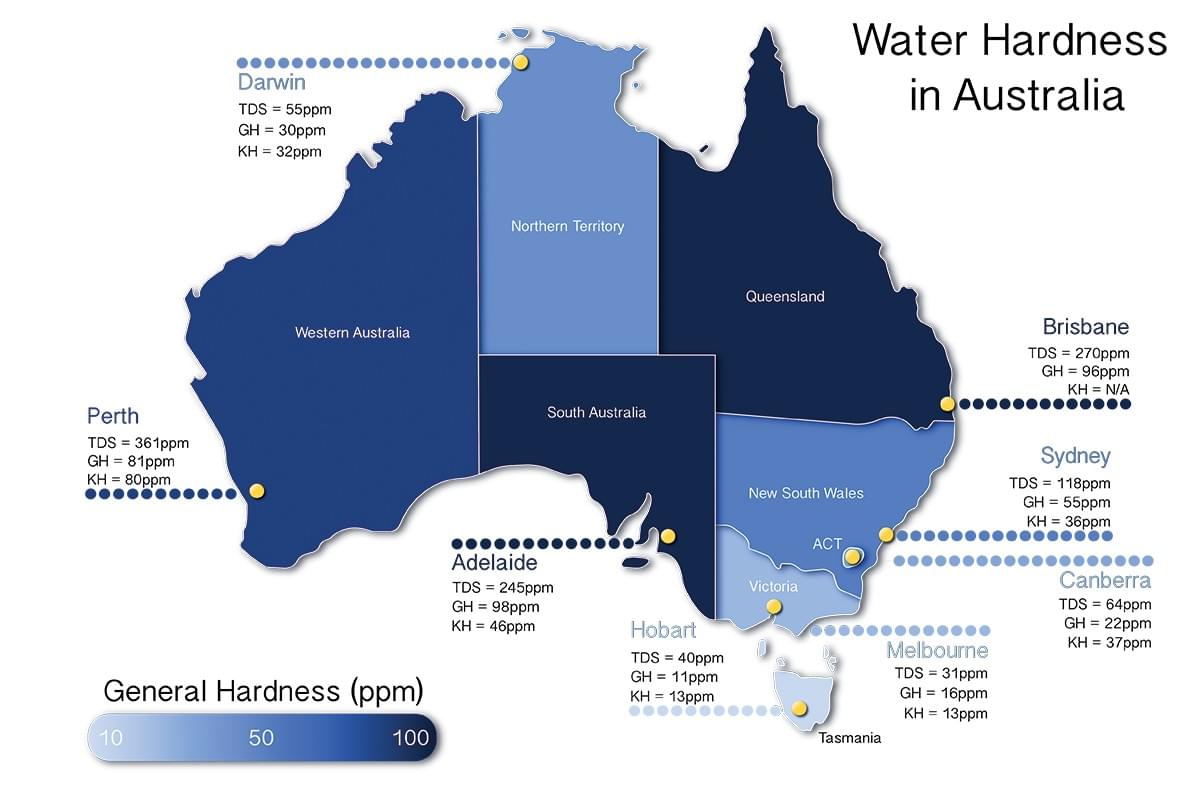
Certain regions in Australia are known for having aggressive or variable water chemistry (e.g. higher chloride content, soft water conditions), which can accelerate dezincification.
2. Regulatory framework and certification system
Plumbing products must comply with strict certification schemes such as:
- WaterMark certification (Australia)
- AS/NZS 4020 (drinking water contact materials)
In addition, recent updates to the National Construction Code (NCC) require that:
- Plumbing products in contact with drinking water must also meet ≤0.25% lead content (from 2025)
- And in practice, these products are commonly based on DZR brass platforms
In Australia and New Zealand, the industry has effectively moved toward a “DZR + low-lead combined requirement”, rather than treating them as separate material solutions.
Can You Combine Both?
Yes—and increasingly, this is where the industry is heading.
Some advanced alloys aim to provide:
- Low lead content (compliance)
- Dezincification resistance (durability)
However, combining both features introduces new challenges:
- Alloy complexity increases
- Cost rises
- Manufacturing control becomes more critical
This is especially relevant for premium faucet brands and OEM projects targeting multiple markets.
How to Choose the Right Material
Material selection should always be based on application conditions and target market requirements.
Choose Low-Lead Brass When:
- Compliance with drinking water regulations is the priority
- Selling into North America or EU markets
- Brand positioning emphasizes health & safety
Choose DZR Brass When:
- Water conditions are aggressive (high chloride, soft water)
- Long-term durability is critical
- Target markets include Europe, UK, Australia
Consider Both When:
- Products are positioned as premium or long-life solutions
- Selling globally across different regulatory systems
- Brand wants to minimize both health risks and failure risks
Industry Trend: From Single Property to System Thinking
The industry is gradually moving away from focusing on a single material property toward a more holistic approach:
- Material composition
- Manufacturing process
- Surface condition
- Water environment
This is particularly important in modern faucet design, where user expectations, regulations, and real-world usage conditions intersect.
Final Thoughts
DZR brass and low-lead brass are not competing materials—they are solutions to different engineering problems.
Understanding this distinction allows manufacturers and brands to:
- Make better material decisions
- Avoid over-engineering or under-specifying
- Align products with real-world usage conditions
In the end, the goal is not just compliance or durability—but delivering reliable, safe, and long-lasting drinking water systems.
Faucet Materials Series
This article is Part 2 of our series on faucet materials:
- Part 1 — Why Brass Can’t Be Truly Lead-Free
- Part 2 — DZR Brass vs Low-Lead Brass: What’s the Real Difference?
- Part 3 — Stainless Steel Faucets: Trend, Regulation, or Marketing?
- Part 4 — What the 4MSI Positive List Means for Faucet Manufacturers